
Address:
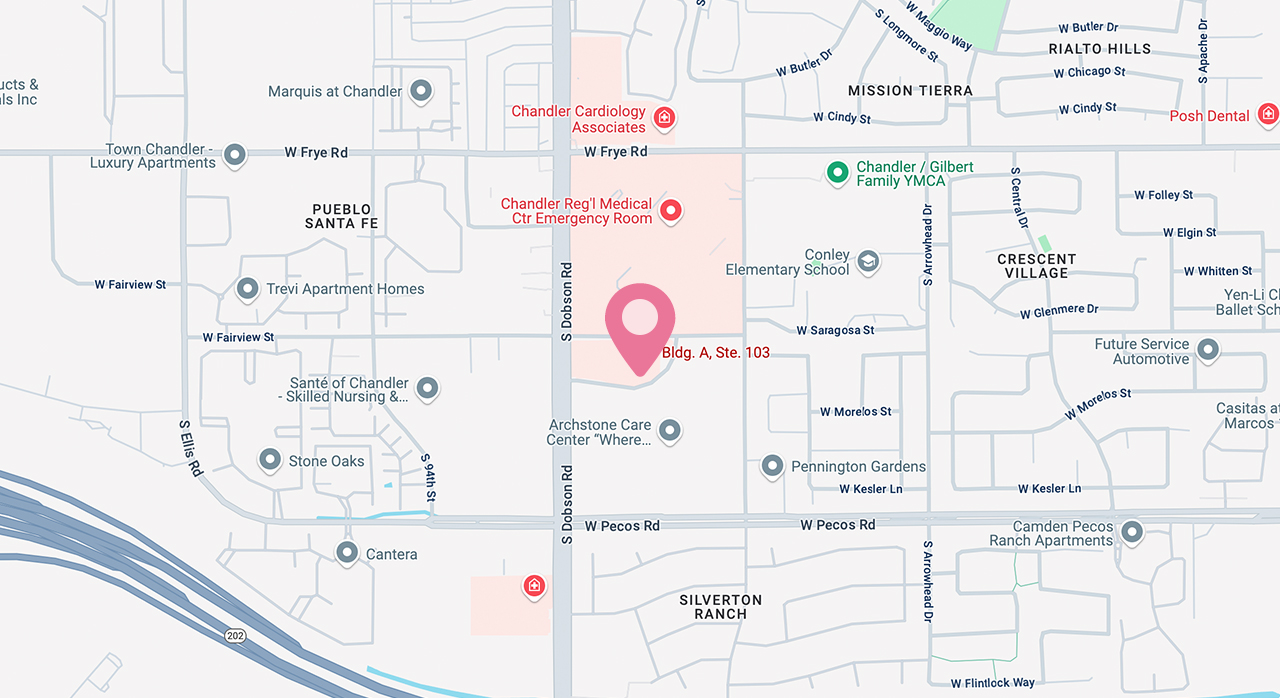
655 S Dobson Road, Building A, Unit 103
Chandler, AZ 85224


She Skipped Her Mammogram — Here's What We Found
She Skipped Her Mammogram — Here's What We Found
By Dr. Meghna Krishnan, URPrecious Imaging
A patient came to see me recently and asked for one thing only: a breast ultrasound. No mammogram. That's it.
Her ultrasound came back completely normal. If she'd gotten her way and stopped there, that would have been the end of the story.
But because of her age, I encouraged her to go ahead and add the mammogram too — even though the ultrasound looked clean.
That mammogram found 5cm of highly suspicious calcifications.
What the Biopsy Showed
The biopsy confirmed high-grade DCIS with microinvasion, HER2-positive — an aggressive, fast-moving process. And here's the part that stops me every time I think about it: her prior year's mammogram was normal. Her ultrasound *this* year was also completely normal.
The mammogram was the only exam that found it.
Why Mammography Still Comes First
There's a lot of noise on social media right now about "better" alternatives to mammography — ultrasound, breast MRI, contrast-enhanced mammography, QT ultrasound, thermography. Some of these are genuinely valuable tools. None of them have what mammography has: **nine randomized controlled trials, spanning over 600,000 women**, showing roughly a 50% reduction in breast cancer deaths. No other breast imaging exam carries that level of evidence.
That's not a marginal difference. That's the difference between a screening test we know saves lives at a population level, and tests that are excellent additions but haven't been proven, on their own, to do the same.
Addressing the Common Fears
A few things patients bring up often, and worth saying plainly:
Radiation dose is far smaller than most people assume — about 0.4 millisieverts per mammogram, a fraction of what people picture.
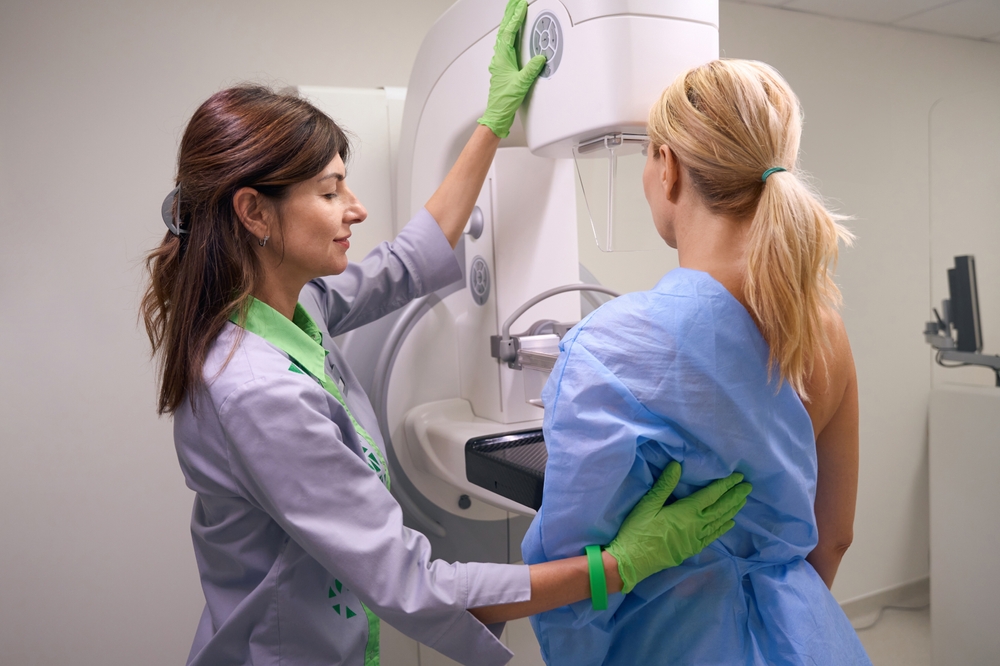
Compression lasts about four seconds. It's uncomfortable, not damaging, and it's what allows us to see through dense tissue clearly.
Dense breast tissue is common and manageable — but the answer is to *add* breast MRI, contrast-enhanced mammography, or ultrasound *in addition to* your mammogram, never instead of it.
Supplemental exams like thermography or QT ultrasound have a role, but that role should follow ACR guidelines — as a supplement to your annual mammogram, not a replacement for it.
The Bottom Line
If you've been thinking about skipping your mammogram in favor of another exam, please don't — at least not without a real conversation about what each test can and can't tell you. Early detection is the best opportunity we have to catch aggressive disease while it's still treatable. Don't let social media talk you out of the one exam with the strongest evidence behind it.

All Breast
Services

Keep
In Touch



© 2026 URPrecious Imaging. All rights Reserved - Accessibility Statement - Privacy Policy - Terms of Use - Sitemap
Powered by
