
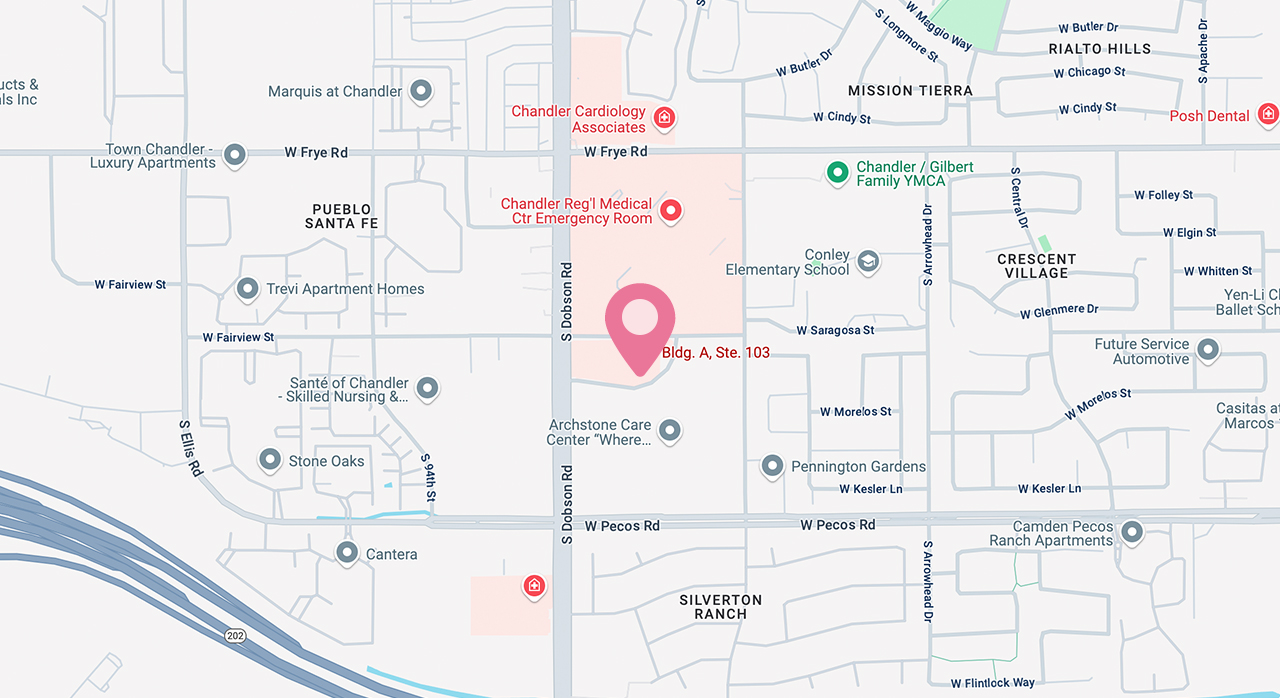
Address:
655 S Dobson Road, Building A, Unit 103
Chandler, AZ 85224


No Surgery, No Scars: A Breast Cancer Patient's Journey Through Cryoablation

In July 2024, a patient came to me with a biopsy-proven invasive ductal carcinoma — grade 1, hormone-receptor positive, HER2-negative. It's a diagnosis that, for most women, means preparing for the operating room.
We took a different path as patient did not want surgery.
Cryoablation: Treating Cancer Without a Scalpel
Instead of surgery, we treated her tumor with cryoablation — an image-guided technique that uses a thin needle probe to freeze and destroy cancerous tissue. The procedure is performed right in the office, under local anesthesia only. No operating room. No general anesthesia. No incision.
Using real-time ultrasound guidance, we place the probe directly into the tumor and generate an "ice ball" that destroys the targeted tissue while sparing the surrounding breast.
Why Two Overlapping Ice Ball Zones
Because her tumor measured over 2 cm — larger than a single ice ball zone reliably covers — we used two overlapping ablation zones to ensure the entire mass was treated with a clear margin. Each zone was positioned to extend beyond the tumor's edge, with the two zones overlapping through the center, so no part of the tumor was left untreated.
Two Years Later
This is the part that matters most: two years after her procedure, imaging across MRI, contrast-enhanced mammogram, and ultrasound shows no evidence of recurrence.
She has no surgical scars. She returned to her normal life in days, not weeks.
Is Cryoablation Right for Everyone?
Cryoablation isn't the right fit for every diagnosis — candidacy depends on tumor size, location, and pathology, and it's determined together with your full care team. But for the right candidate, it offers something powerful: effective cancer treatment without the trauma, downtime, and scarring of traditional surgery.
If you've been diagnosed and want to understand your options, our team at URPrecious Imaging is here to talk it through with you.
Because every woman is precious.

All Breast
Services

Keep
In Touch



© 2026 URPrecious Imaging. All rights Reserved - Accessibility Statement - Privacy Policy - Terms of Use - Sitemap
Powered by
