
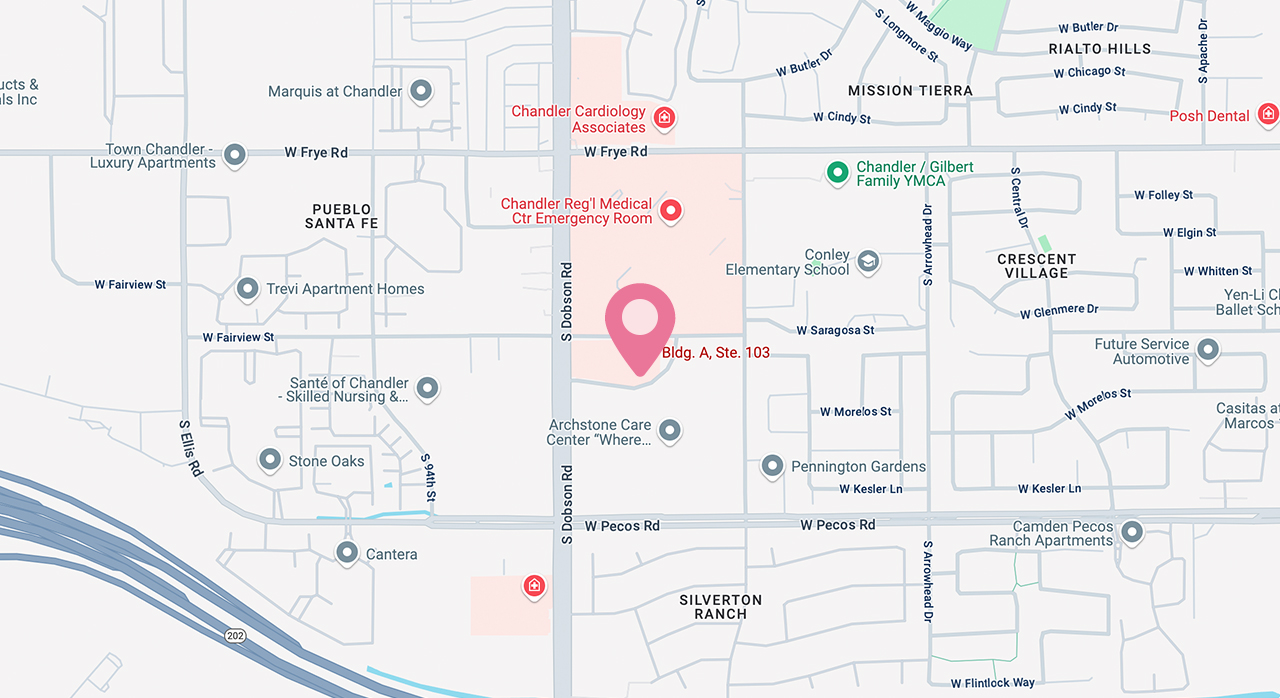
Address:
655 S Dobson Road, Building A, Unit 103
Chandler, AZ 85224


3D Breast Ultrasound vs. Mammogram: Understanding Why You May Need Both

Breast cancer screening plays an important role in identifying potential concerns early. While mammograms remain a standard screening tool, 3D breast ultrasound can provide additional information, particularly for women with dense breast tissue. At URPrecious in Chandler, AZ, we help patients understand their breast imaging options and why combining different screening methods may be beneficial.
What Is the Difference Between 3D Breast Ultrasound and a Mammogram?
A mammogram uses low-dose X-rays to capture images of breast tissue. It can detect abnormalities, including small calcifications that may indicate early breast cancer. Mammograms are recommended for routine breast cancer screening because they have been shown to reduce breast cancer deaths.
3D breast ultrasound uses sound waves to create detailed images of breast tissue without radiation. This imaging technology can help identify masses and distinguish fluid-filled cysts from solid abnormalities. It may also reveal findings that are difficult to see on a mammogram.
Unlike 3D mammography, which uses X-rays, 3D breast ultrasound relies on sound waves. Each technology provides different information about breast health.
Why Might You Need Both Breast Imaging Tests?
Mammograms and breast ultrasounds serve complementary purposes. Depending on your breast density, medical history, and individual risk factors, your healthcare provider may recommend additional imaging.
Some reasons for combining these screening methods include:
Dense Breast Tissue: Dense tissue can make abnormalities harder to detect on mammograms. Ultrasound may help identify certain masses that are otherwise difficult to see.
Additional Evaluation: If a mammogram identifies an area of concern, ultrasound can provide more information about the finding.
Breast Lumps: Ultrasound can help determine whether a lump is a fluid-filled cyst or a solid mass.
Personal Risk Factors: Certain medical histories or breast cancer risk factors may warrant supplemental imaging based on a healthcare provider's recommendations.
Further Breast Assessment: Combining imaging methods may help clarify findings and determine whether additional testing is necessary.
Can 3D Breast Ultrasound Replace a Mammogram?
Although 3D breast ultrasound offers valuable information, it is not a replacement for routine mammography. Mammograms can detect certain abnormalities, including microcalcifications associated with early breast cancer, that may not appear on ultrasound.
Ultrasound can detect additional abnormalities, but it may also produce findings that require follow-up testing even when no cancer is present.
For women in Chandler with dense breasts or other risk factors, supplemental ultrasound may be appropriate. However, not everyone needs both tests. Women at higher risk may benefit more from breast MRI. Screening recommendations should be based on individual risk and medical guidance.
Understanding Your Breast Screening Needs
At URPrecious, we understand that breast imaging decisions can raise questions. Our breast imaging services focus on providing detailed ultrasound evaluations and helping patients better understand their breast health.
The decision to undergo supplemental 3D breast ultrasound depends on several factors, including breast density, previous imaging results, family history, and personal risk. Discussing these factors with your healthcare provider can help determine the most appropriate screening approach.
Our team in Chandler provides breast ultrasound imaging as part of a comprehensive approach to breast health. We encourage patients to continue recommended mammograms and seek further evaluation when additional imaging is appropriate.
To learn more about 3D breast ultrasound or schedule an appointment, contact URPrecious in Chandler, AZ, at (602) 878-7501.

All Breast
Services

Keep
In Touch



© 2026 URPrecious Imaging. All rights Reserved - Accessibility Statement - Privacy Policy - Terms of Use - Sitemap
Powered by
